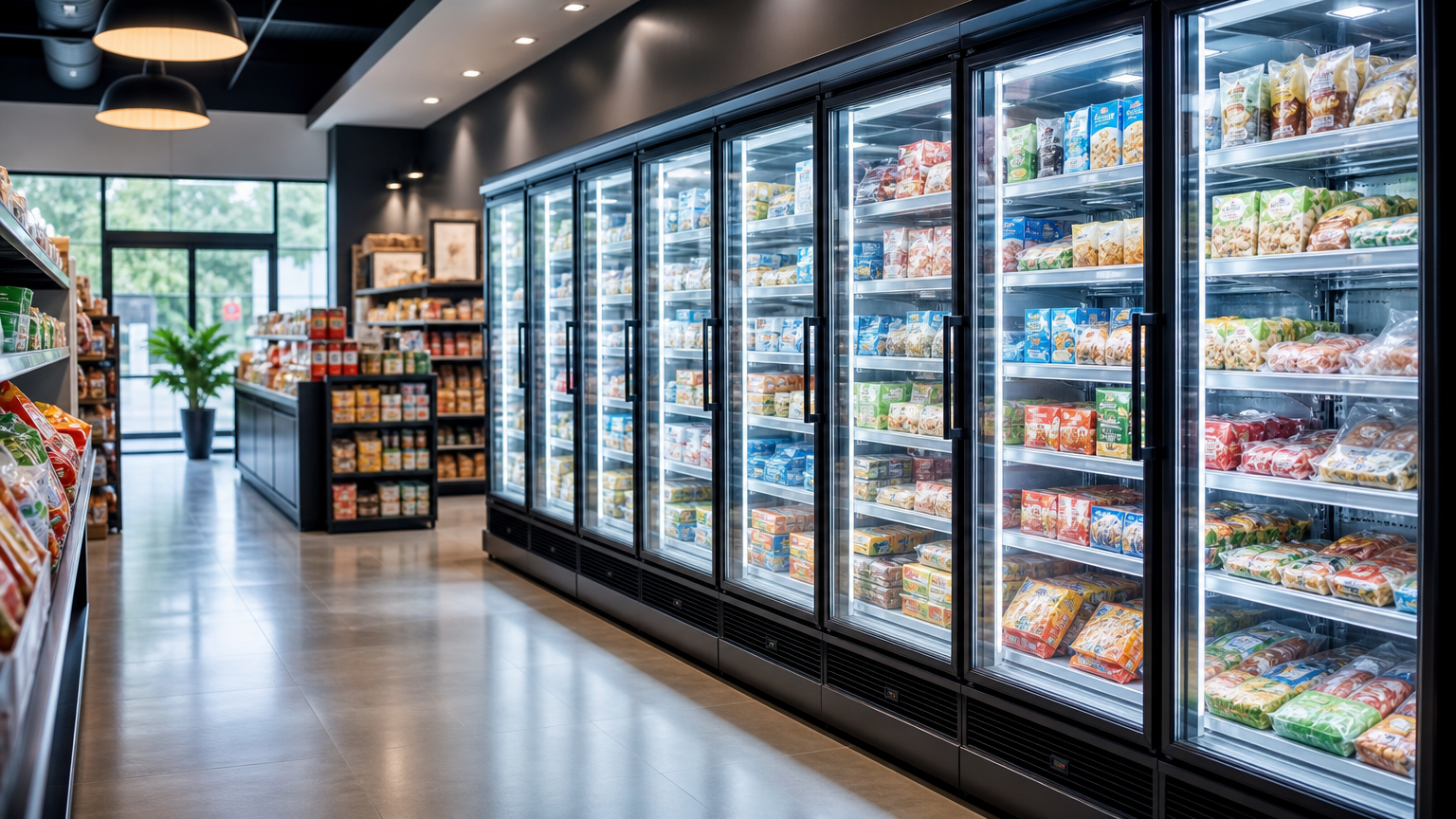
Display Freezer Maintenance and Buying Checklist for Convenience Stores
A practical guide for convenience store and small supermarket buyers to evaluate display freezer placement, door seals, coil cleaning, temperature checks, energy factors, and inquiry details.
Haishengda Editorial Team
A display freezer is not only a product cabinet. In a convenience store or small supermarket, it affects merchandising, food safety routines, electricity use, cleaning work, and the quality of the buyer's inquiry. The best purchase decision usually starts with a simple question: can this freezer hold the right products in the right location while remaining easy to inspect and maintain every day?
Start with the store layout, not only the cabinet size
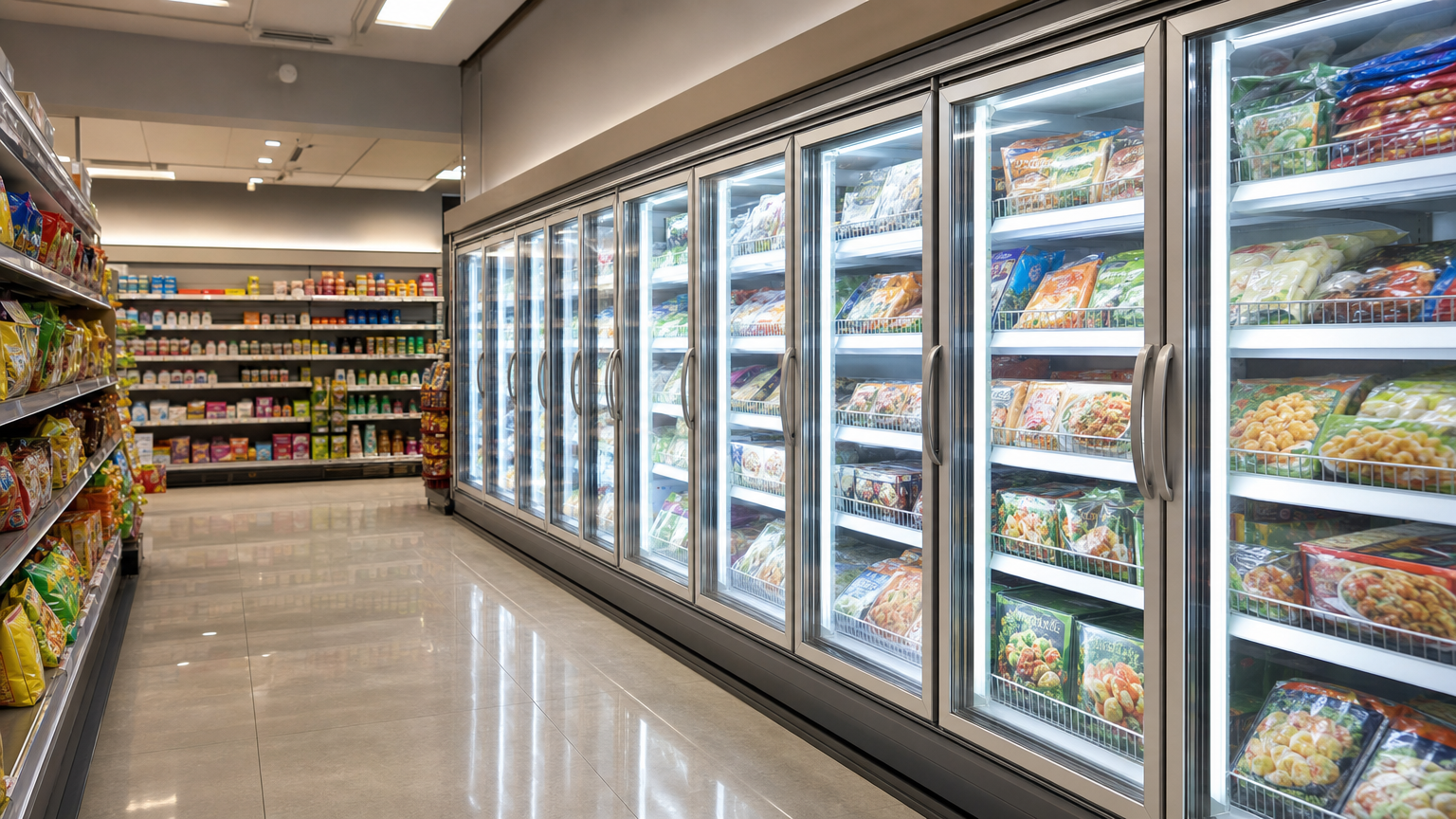
For convenience stores, freezer placement should be checked together with aisle width, customer traffic, door opening direction, restocking work, and access for cleaning. A cabinet that looks efficient on a specification sheet may still create problems if staff cannot open the door fully, clean around the condenser area, or restock frozen products without blocking the aisle.
Transparent-door display freezers are useful when buyers need product visibility and impulse sales. Solid-door units may be better when storage efficiency matters more than display. ENERGY STAR's commercial refrigerator and freezer criteria separate equipment by configuration, door type, and operating mode, which is a useful reminder that buyers should compare the cabinet format before comparing individual model claims.
Check door seals and opening behavior early

Door gaskets are small parts with large operational impact. If warm air leaks into the cabinet, the refrigeration system works harder and product temperature can become less stable. ENERGY STAR's energy-saving checklist recommends checking door gaskets and replacing them when the seal is weak. For a store buyer, this means the inquiry should not stop at dimensions and price; ask how the gasket is installed, how easy it is to replace, and what spare parts are available for the destination market.
Practical inspection points
Before confirming a display freezer, ask whether staff can inspect the door seal visually, clean around the frame, and identify abnormal frost or condensation. These checks are simple, but they help prevent avoidable service calls and product display problems.
Plan coil cleaning and service access before purchase
Maintenance access should be part of the buying discussion. ENERGY STAR recommends cleaning refrigerator coils twice a year for existing equipment and having larger refrigeration systems serviced regularly. In retail environments with dust, packaging waste, and frequent door openings, buyers should ask where the condenser area is located, how staff can access it, and whether the store layout leaves enough clearance for routine cleaning.
This is especially important for small stores that place freezers against walls or between shelving. A cabinet that cannot be cleaned easily may cost less at purchase but create higher operating risk later.
Use temperature verification as an operating requirement
Food retail buyers should treat temperature verification as part of the operating plan. FDA guidance for restaurants and grocers after emergencies says refrigerated and freezer display cases should be verified as capable of consistently maintaining cold holding temperatures or frozen state before food items are placed in the units. For normal purchasing, the lesson is clear: discuss the intended product category, ambient environment, door-opening frequency, and monitoring routine before choosing a cabinet.
Do not rely on a single generic temperature claim unless it is supported by the supplier's documentation and matched to the intended use. Ice cream, frozen food, beverages, and chilled prepared foods can involve different requirements, so the inquiry should describe the product mix clearly.
Compare energy factors without ignoring merchandising
Energy efficiency matters because commercial refrigeration runs continuously. ENERGY STAR notes that certified commercial refrigerators and freezers are designed to reduce energy use while maintaining commercial operating performance. Buyers can use this as a decision framework: compare cabinet configuration, door type, refrigerant information, fan and compressor design, and expected use pattern instead of looking only at the lowest purchase price.
For display freezers, merchandising also matters. A visible product face, easy restocking, good lighting, and a clean door area can influence sales. The right choice balances display value, energy use, cleaning access, and after-sales service.
What to include in a supplier inquiry
A strong inquiry helps the supplier recommend a better configuration. Include store type, available floor space, target product category, expected daily door openings, destination market, plug and voltage requirements, preferred door type, branding needs, and whether the freezer will be placed against a wall or in an aisle. If you already have a target product page, link it in the inquiry so the supplier can respond with a focused recommendation.
For Haishengda buyers, useful internal links would include glass door display freezer products, supermarket freezer applications, and convenience store refrigeration solutions. Contact Haishengda with your store layout and product mix to request a display freezer configuration review.